
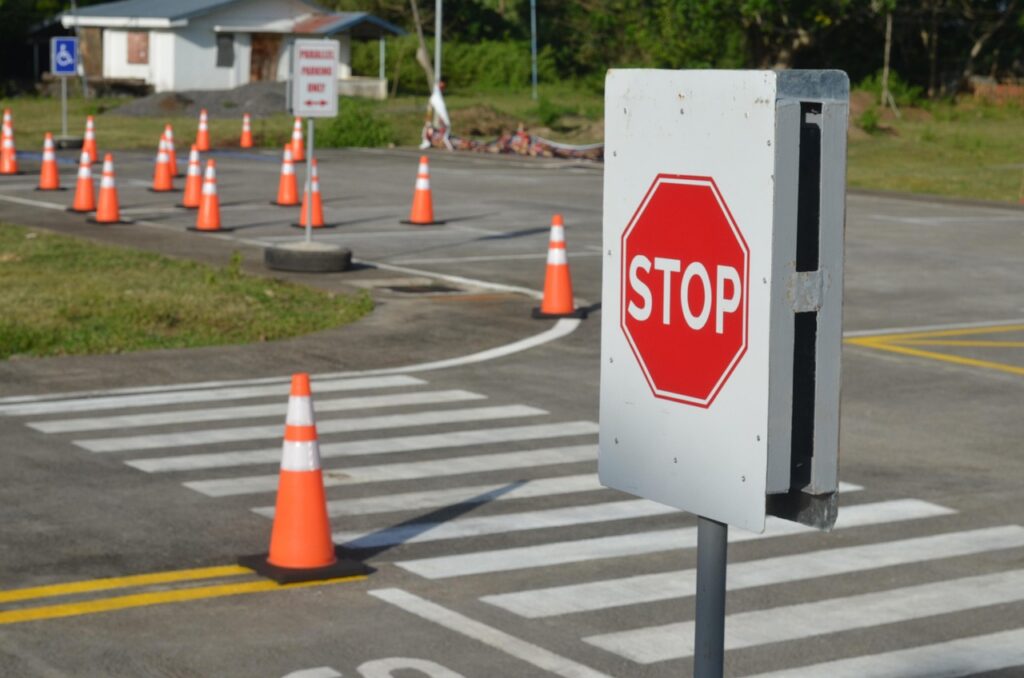
Whether you’re a seasoned driver or just beginning your driving journey, understanding road signs is crucial for your safety and the safety of others. Road signs are the silent language of the road — they guide, warn, and regulate. Misunderstanding or ignoring them can lead to accidents, fines, or worse. In this blog, we’ll walk you through the importance of road signs, the types you should know, and tips for memorizing them effectively.
Why Are Road Signs Important?
Ensure Safety: Road signs alert drivers to hazards, speed limits, curves, and pedestrian crossings. This forewarning allows drivers to make safe and timely decisions.
Maintain Traffic Flow: Signs like “Yield”, “Merge”, or “No Entry” help regulate traffic, especially at intersections or busy areas, preventing chaos and bottlenecks.
Support Law Enforcement: Road signs are backed by law. Disregarding them could result in fines or legal action, especially for signs related to speed or parking regulations.
Assist New Drivers: For learners, road signs are essential tools that offer guidance when they’re still building confidence behind the wheel.
Categories of Road Signs
Road signs are typically divided into three main categories:
1. Regulatory Signs
These signs enforce traffic laws and rules. Ignoring them can lead to penalties. Examples include:
Stop
Yield
No U-turn
Speed Limit
No Parking
Colors: Usually red, white, and black
Shapes: Mostly circular or octagonal (like the iconic stop sign)
2. Warning Signs
These signs caution drivers about upcoming hazards or changes in road conditions.
Examples include:
Sharp turn ahead
Pedestrian crossing
Slippery road
School zone
Colors: Typically yellow with black symbols
Shapes: Mostly diamond-shaped
3. Informational or Guide Signs
These signs help drivers navigate, showing directions, distances, or facility locations.
Examples include:
Highway exits
Hospital ahead
Petrol pump
Rest area
Colors: Green (directional), blue (services), and brown (tourist spots)
Shapes: Rectangular or square
Commonly Misunderstood Road Signs
No Horn – Often overlooked in silent zones like near hospitals or schools.
Give Way – Confused with ‘Stop’, but it means slow down and yield if another vehicle is approaching.
Roundabout Ahead – Requires understanding of how to merge and exit safely.
Minimum Speed Limit – Rare but important; indicates the lowest permissible speed.
Tips to Memorize Road Signs
Use Flashcards: Create or download flashcards of signs to test your knowledge regularly.
Practice on Simulators: Driving apps and simulators often include road signs in mock tests.
Categorize: Group signs by type (regulatory, warning, informational) to aid memory.
Drive with Awareness: Actively look for signs while driving or riding as a passenger.
Mock Tests: Take online quizzes for learner’s license prep.
Road Signs and Technology
With the rise of GPS and in-car navigation systems, some drivers have become overly reliant on voice instructions. However, road signs remain irreplaceable. For instance, GPS might not alert you to temporary construction or detours — but road signs will.
Modern driver-assistance systems (ADAS) in some vehicles now include Traffic Sign Recognition (TSR), which reads and displays signs on your dashboard. Still, human awareness is the ultimate safeguard.
Final Thoughts: Drive Wise, Read the Signs
Road signs are the foundation of road discipline. They don’t just help you pass your driving test — they protect lives every day. Whether it’s a stop sign at a quiet intersection or a speed limit board on a bustling highway, every sign plays a role in creating a safe driving environment.
So, the next time you’re on the road, keep your eyes open. Understanding road signs isn’t just a skill—it’s a responsibility.